Tolerances and maintenance for automotive dies
IATF 16949, PPAP, ±0.05 mm tolerances and sharpening cycles. How to manage die-cutting tooling without losing approvals or runs.
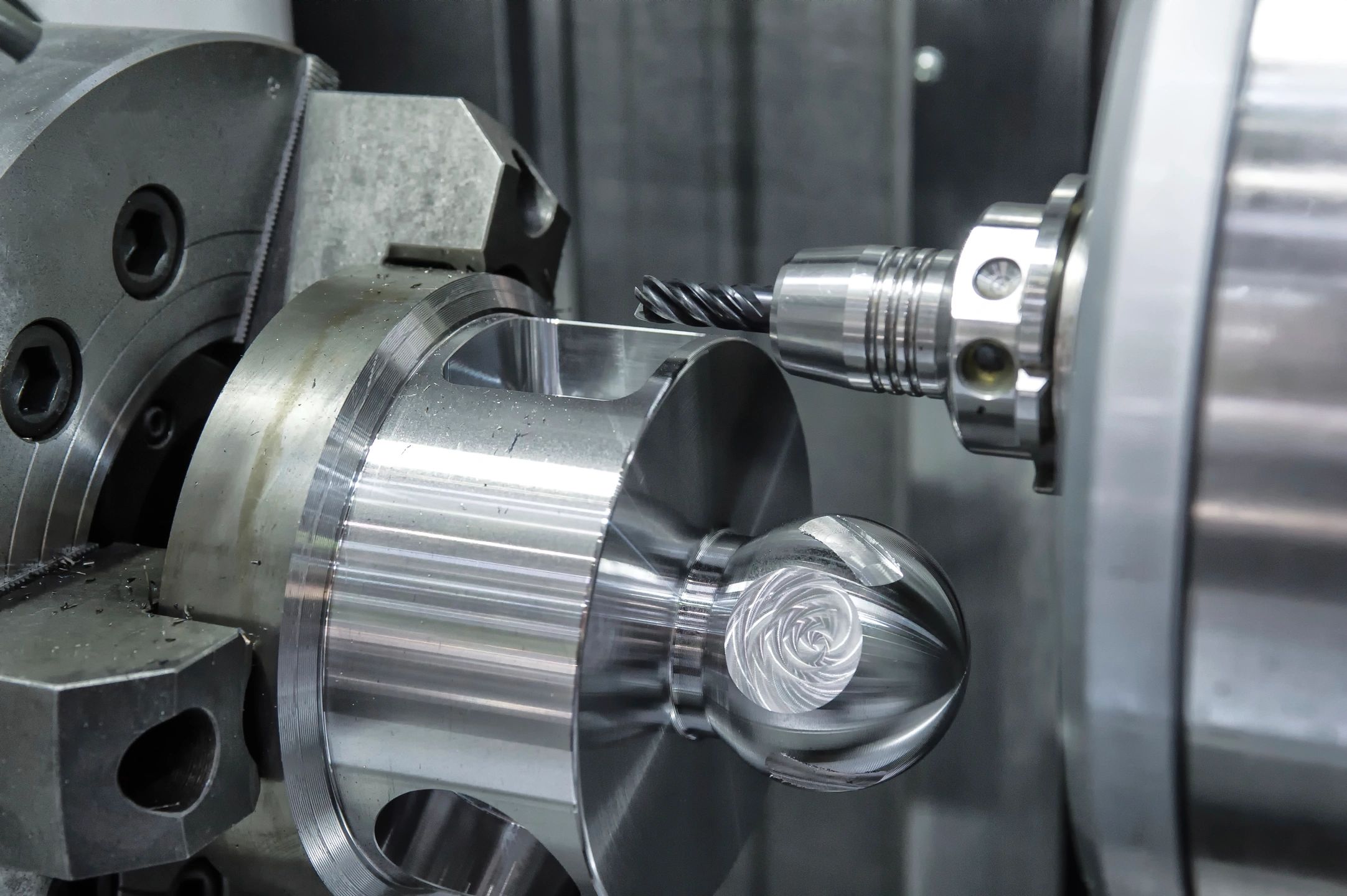
The automotive sector is demanding on its suppliers — particularly on die-cutting tooling suppliers. The parts we cut (gaskets, seals, acoustic insulation, interior trim) end up in vehicles that must pass durability, NVH, and safety tests. Any dimensional drift propagates downstream and gets discovered late, almost always at the assembly line. This article explains what tolerances the automotive supply chain demands today and how to manage tooling so you do not lose approvals or runs.
The regulatory frame: IATF 16949 and PPAP
The vast majority of Tier 1 and Tier 2 suppliers operate under IATF 16949. For a tooling vendor, the main impact comes from PPAP (Production Part Approval Process) and the documentation the end customer will require:
- Control plan with measurable variables at every stage of the process.
- Process FMEA aligned with the functional criticality of each dimension.
- Measurement R&R (gauge repeatability and reproducibility) on critical dimensions.
- Process capability with Cpk typically ≥ 1.33 on functional dimensions.
This documentation affects die design: a dimension with a demanding Cpk forces internal tolerances tighter than what shows on the part drawing. A correctly specified die delivers parts within tolerance with enough margin to absorb process drift.
Typical tolerances on cabin components
For reference, in serial production on EVA and EPDM foams and acoustic insulation sheets, the tolerances we typically deliver are:
- Cutting tolerance: ±0.05 mm on flat dimensions.
- Position tolerance between features: ±0.10 mm.
- Angular tolerance on inclined geometries: ±0.1°.
- Part-to-part repeatability: ±0.02 mm.
For sealing-function gaskets or NVH (noise, vibration, harshness) components, critical dimensions can demand tighter tolerances. In that case we document the tooling's internal tolerance, the planned maintenance cycles, and the periodic validation procedure.
Tooling maintenance: the factor that decides profitability
A new die delivers tolerances within spec. A die without a maintenance plan loses them — not at once, but gradually. The worst possible outcome: parts within internal statistical control but out of functional tolerance, discovered at final assembly.
The practices we recommend for automotive tooling:
- Sharpening plan by units, not by calendar. We track counters on every die and force sharpening at a fixed percentage of the design die life (typically 70%).
- Periodic dimensional verification at the supplier or in the customer's plant, with dedicated R&R-validated gauges.
- Stock of wear parts (modular blades, counter-plates) to minimise response time.
- Change traceability: any intervention on tooling generates a fresh dimensional-validation record before going back into production.
The most expensive failure: poorly communicated tolerances
The root failure we see most often is not in die manufacturing but in information transfer between client and supplier. A dimension marked as "general" on the part drawing can turn out to be critical at the assembly line if it affects the fixing of a neighbouring component. That is why we always ask, in addition to the drawing, for the assembly diagram and the customer's control plan. With that information we can identify which dimensions deserve a tight internal tolerance and which accept the general one.
When to question the customer's tolerances
A practice worth attention: not every tolerance on the customer drawing is functional. Sometimes it is inherited from a previous supplier, over-specified out of caution, or copied from a different component. Asking that question before quoting tooling lets us propose alternatives: if the critical dimension is just one of the five flagged, the tooling comes out simpler, cheaper, and longer-lived.
One Tier 1 we work with identified — after a functional analysis — that three of seven critical tolerances on a cabin part affected neither assembly nor NVH. Relaxing them to general tolerance cut tooling cost by 22% and tripled expected die life. The initial conversation took an hour; the annual saving was counted in thousands of euros.
Total cost: tooling, maintenance and rejects
The buyer who looks only at the initial price of the die is looking at a fraction of the real cost. The formula we use in consulting is:
- Manufacturing + treatment cost. The number on the quote.
- Expected maintenance cost. Sharpening, blade replacement, periodic calibration.
- Expected reject cost. Reject rate × rework hourly cost.
- Unplanned downtime cost. Probability × duration × hourly line cost.
Summed, the latter three can represent 1.5× to 3× the manufacturing cost over the tooling's life. That is why a "cheap" die requiring aggressive maintenance or producing sustained rejects ends up, in automotive, much more expensive than a documented premium one.
Indicators we monitor in serial production
Once the die is in production, the indicators we recommend tracking are three: Cpk on critical dimensions, downstream reject rate (at the end customer, not just internal self-control), and wear trend by unit count. A sustained Cpk drop anticipates problems weeks before they become rejects. A customer-reject rate climbing without obvious cause typically points to a functional dimension that was not well communicated in the original drawing.
How we run automotive at TroqueLab
Every die destined for automotive ships with its own documentation: control plan, expected die life in units, planned sharpening frequency, verification gauges, and PPAP procedure when the customer requires it. The investment in documentation pays back at the first audit: no automotive customer will buy tooling without these deliverables. If you are evaluating an automotive project and want to validate technical feasibility, you can explore our services or request an evaluation with your drawings. We will return a first technical assessment and an indicative lead time within 48 working hours.
Need Custom Die Manufacturing Solutions?
Our team of specialists is ready to help with your project. Get a free consultation.